Healthy Landscapes “feel-good” survey – No evidence required to measure success
Awareness and good intentions no longer sufficient for responsible land ownership as climate change impacts accelerate.
Read More

Awareness and good intentions no longer sufficient for responsible land ownership as climate change impacts accelerate.
Read More
New UK research shows farmers are not only willing to set aside parts of their land for nature, but that incentivizing them to do so will cost less than current financial incentives.
Read More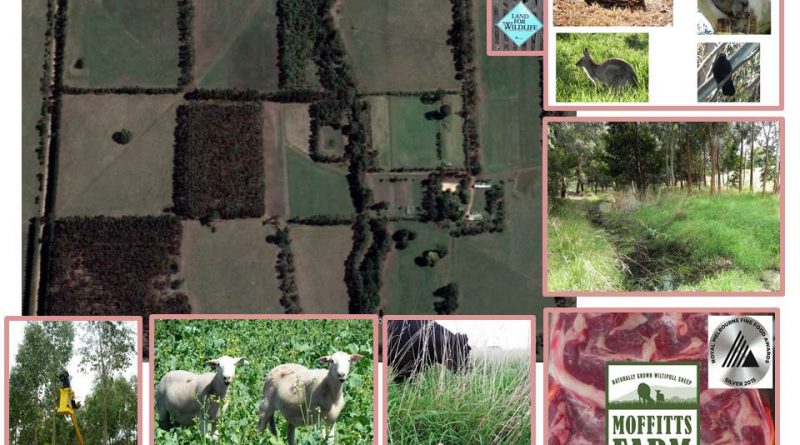
The Macedon Ranges Shire Council’s Draft Rural Land Use Strategy fails to incorporate climate change abatement, carbon and biodiversity farming, and local food production as key issues for future landholders.
Read More
Intensive livestock grazing which incorporates holistic management will support and improve grassland biodiversity; destocking can lead t biodiversity decline.
Read More
Natural Capital improvement on farms has been recognised as an important component of management by the NSW government.
Read More
The Textile Exchange’s Regenerative Agriculture Landscape Analysis contends there are significant difference between farmers who adopt RA while CSIRO’s Mark Farrell says the approaches to soil health and quality are similar.
Read More
Livestock farmers are being given mixed messages around minimum pasture levels that preserve pasture plant resilience and ecosystem functions.
Read More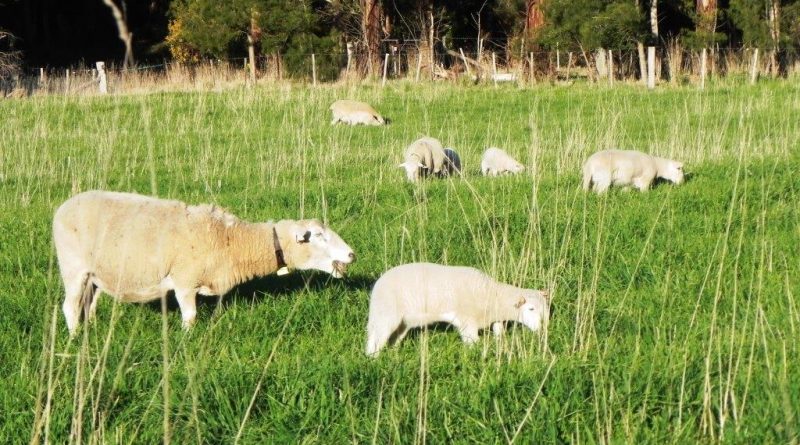
Regen Ag has emerged over the last five years under the misapprehension of providing a more holistic methodology for profitable farming while improving ecosystem functions compared to conventional or agricultural science based farming.
Read MoreLet’s work together to understand how and where regenerative agriculture works, identify possible problems, and work out the economic benefits.
Read More
David Pollock contends there is an argument in some pastoral areas such as where Wooleen station is, for using dingoes as a means to reduce uncontrolled grazing pressure of kangaroos and feral goats because the station livestock carrying capacities are so low due to land degradation that the pastoral businesses cannot afford to contribute to the costs of dog control.
Read More
According to 2019 Farrer Medalist, Professor Tim Reeves, agricultural sustainability successes have resulted from the combined efforts of scientists and farmers working together to identify, develop and adapt new technologies and systems to both address continuing challenges to productivity and profitability, and to also seize the new opportunities that continually arise.
Read More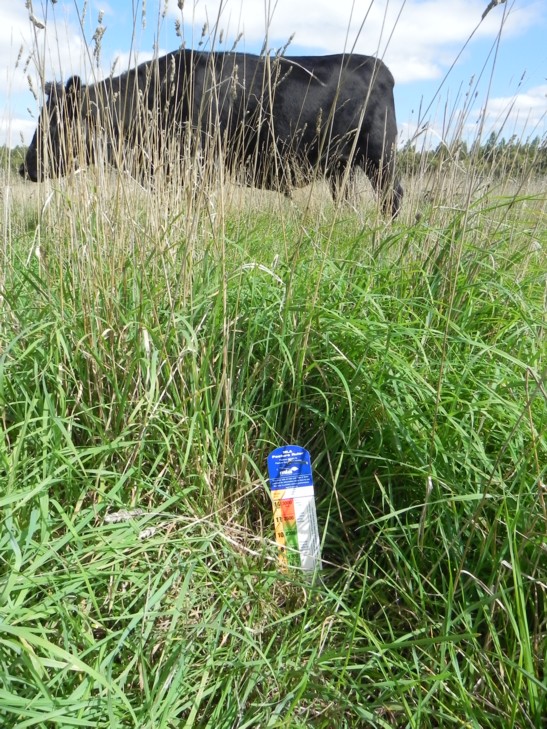
I would not recommend this book to most farmers, they have many other more balanced publications and knowledge sources to help them understand and adopt a holistic approach to decision making.
Read More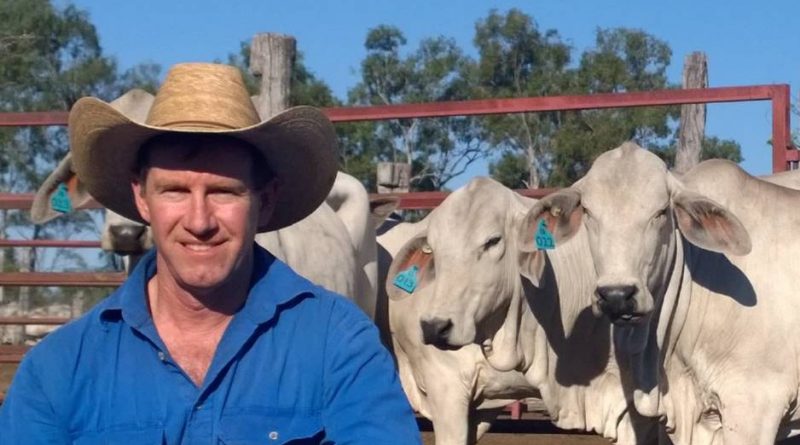
Michael Lyons’ Nuffield report recommendations provide an excellent blue print for any livestock business to operate under or at the very least consider seriously.
Read More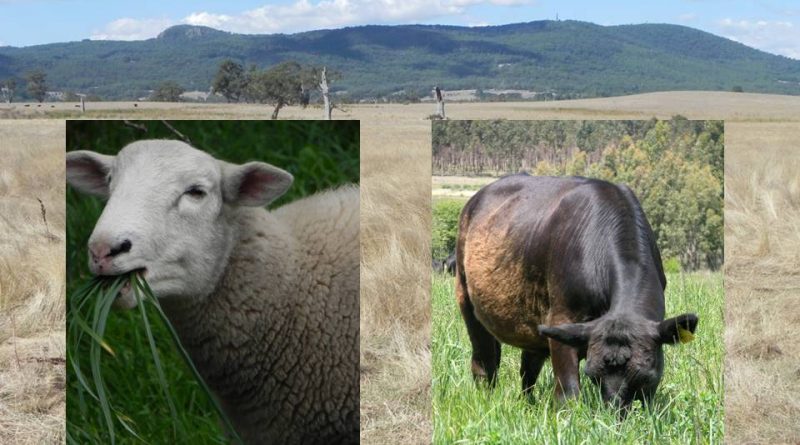
Small and absentee landowners need to consider a wide range of animal welfare, environmental, infrastructure, technology, cost and time issues when deciding on which type of livestock to buy for their farms.
Read More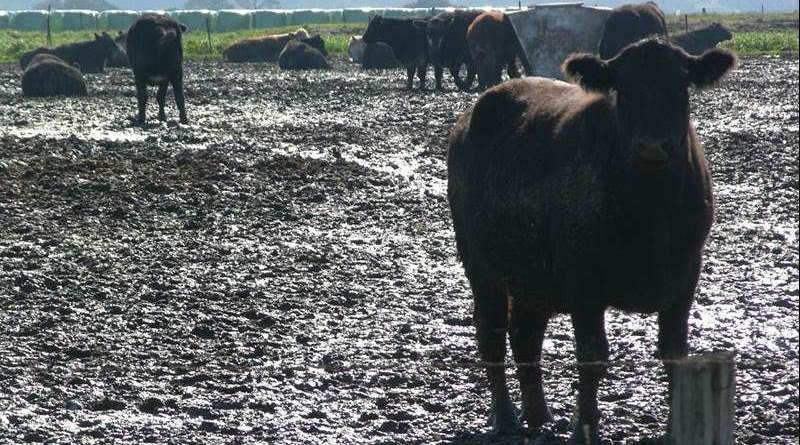
Given the Animal Industries Advisory Committee failed to understand what constitutes best practice grazing management which protects ecosystem functions, and the Victorian state government supported virtually all its recommendations it is unlikely that the changes to be made to planning procedures for livestock enterprises will make a significant difference.
Read MoreBy Patrick Francis A feature of grazing management on Moffitts Farm is allowing summer active perennial grass species in lambing
Read More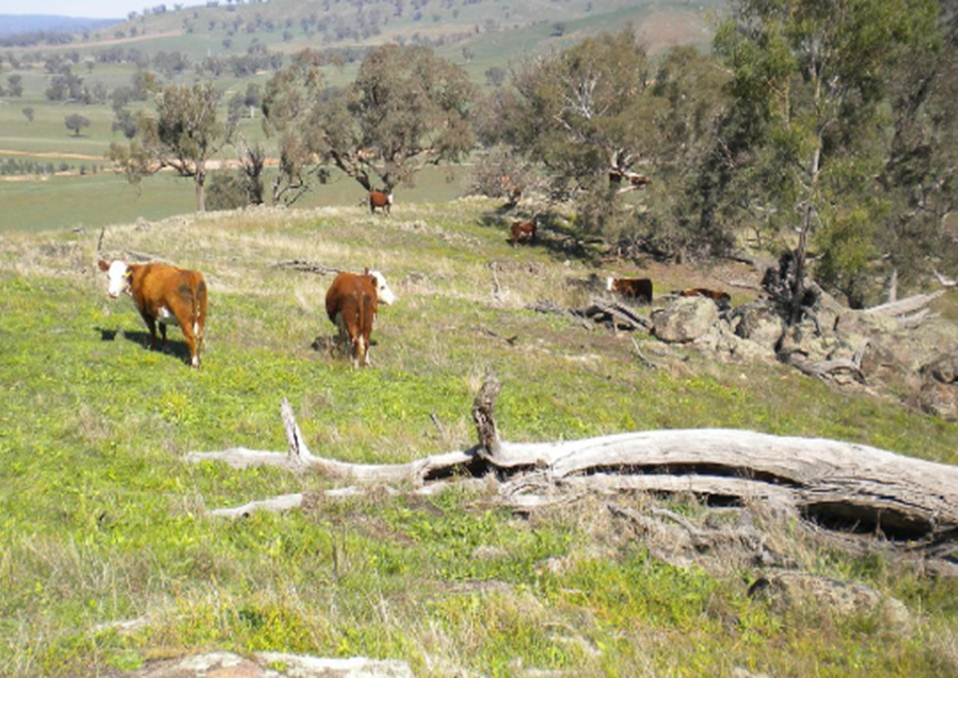
Precede: There has been a paradigm shift in the way Ian Locke ‘Spring Valley’ Holbrook NSW manages and grazes the
Read More
By Tony Gleeson. We endlessly promote our ecological sustainability – through the ‘clean green’ mantra. Yet of all the features the green feature is the one least verified. It is the one least linked to particular products or producers. It is not traceable.
Read MoreBy Jason Trompf, J.T. Agri-Source Introduction by Patrick Francis Jason Trompf has collated what in my opinion is one of
Read MoreIntroduction Across Australia’s farming and pastoral zones there are a host of innovative farmers who have years of experience and
Read MoreBy Patrick Francis Funding a landcare group project in 2013 to direct seed native shelterbelts and make a video of the
Read MoreBy Patrick Francis Reviews of the National Landcare Program by the two bureaucracies involved, Department of Agriculture and Department of
Read MoreBy Patrick Francis Summary Funding for landcare farming projects has become institutionalized and supports a range of NRM agencies for
Read MoreThe following GRDC Fact Sheet presents some interesting data about impacts of stubble and weeds on plant available water for
Read More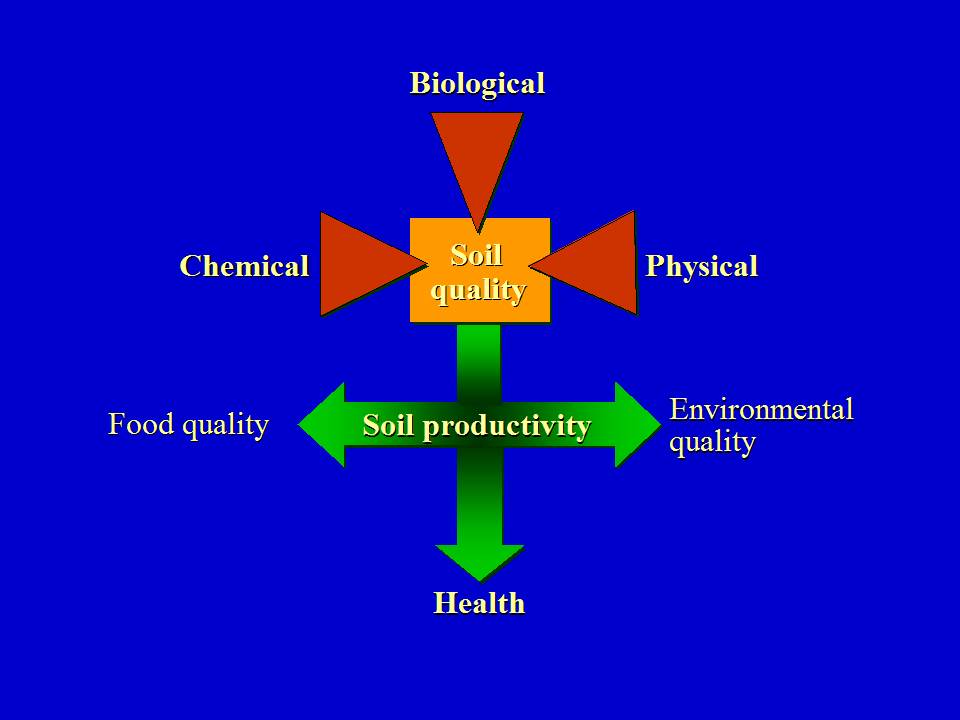
In 2006 Dr Maarten Stapper presented his vision for the development of soil health, fertility and food quality to
Read More
By Patrick Francis Australian Wool Innovations and Meat & Livestock Australia’s recent announcement of three projects to investigate phosphorus fertiliser
Read More
Healthier cropping soils support natural N source By Patrick Francis One of the benefits associated with higher soil organic matter
Read More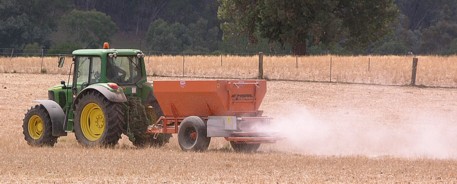
By Patrick Francis When one of the driving forces behind the Green (now the Evergreen) revolution in India’s agriculture, M.S.
Read More
Decades of ploughing throughout the Piedmont region of the United States have degraded the soil, allowing much of it to
Read More